How to Design a Bathroom That Works Beautifully as Life Changes
Your bathroom doesn’t need to look like a hospital room just because you want it to work better as you get older.
Honestly? That’s a hard pass.
I want a bathroom that’s beautiful, comfortable and easy to use. At 25. At 65. At 85. After knee surgery. At 2 a.m. When I’m just trying to get out of the shower without an Olympic-level balancing routine.
I’ve lived in five houses in ten years and we’ve had a lot of bathrooms, some better than others.
Several years ago my husband had a hip replacement and let me tell you, bathrooms are hard to get around in. Even a bathroom that seems spacious didn’t have doorways that a walker could fit through.
We were lucky it was a short-term inconvenience but we’ve held those lessons.
Good design makes your home work for the people who actually live there. All of them.
And that’s really what aging in place is about.
It’s about making smart choices now so your home can change when life does.
Because it will and it will probably happen when you least expect it.
Maybe you’ll have surgery. Maybe a parent moves in. Maybe you just decide that climbing over that giant tub every morning isn’t how you want to spend the next 20 years.
Your house gets to grow with you.
And your bathroom is a pretty great place to start.
Here’s What I Actually Mean by “Aging in Place”
I know, I’m using the phrase too. But here’s what I actually mean by it.
When I design a bathroom, I don’t start with:
“How do we make this bathroom right for an older person?”
I start with:
“How are you actually going to use this room?”
- Are you standing or sitting in the shower?
- Getting in and out of the tub?
- Reaching for a towel?
- Getting up from the toilet?
- Helping someone else?
- Using a walker?
- Feeling your way to the bathroom at 2 a.m., half asleep?
Those answers tell me way more than anyone’s age.
And then the question I love most: how do you want it to feel when you walk in at the end of a long day? A spa? Bright and happy? Calm and cozy?
Start there and the grab bars can come along for the ride.
A bathroom designed around these questions is a better bathroom for everyone who’s using it.
The things that make it easier to use don’t have to make it look like an accessibility project. They just make it… better.
10 Ways to Make Your Bathroom Work for Real Life
You don’t have to do all of these.
You don’t even have to remodel.
Start with what would make the biggest difference for you. Right now.
The Thing Nobody Checks: The Door
Planning a renovation? Look at the doorway before you start shopping for tile.
A narrow doorway becomes a real problem if someone ever needs a walker, a wheelchair or even crutches. Those things are hard to maneuver, especially in tight spaces.
Accessibility standards commonly use a 32-inch minimum clear opening as a benchmark. That’s wider than a lot of homes currently have.
Are you stuck with a tight doorway? Swing-clear hinges can sometimes buy you extra clearance without rebuilding the wall.
If you’re replacing the door anyway, you should also think about which way it swings.
A bathroom door shouldn’t create a problem if someone falls inside the room.
That’s not just an accessibility issue. That’s a let’s-not-make-a-bad-day-worse issue.
And while we’re here, swap the round knob for a lever handle. Levers are easier with arthritis, wet hands or an armful of laundry.
They’re just easier and I’ll always take easier.
I Would Never Keep a Rug That Slides
I know. That little rug in front of the toilet is so cute.
But if it slides every time you step on it, it has lost the point.
Love a soft rug? Keep it. Just be sure to get one that stays put: it’s flat enough that you won’t trip and grippy enough that it won’t slide.
Now think about the shower floor too.
Don’t pick shower tile because you saw in on social media.
Pretty matters. Safety matters more. The good news is that you don’t have to choose.
And slip-resistant doesn’t have to mean beige. There’s colored tile with good traction out there. Go find the one that makes you happy.
Don’t assume tiny mosaic tile is the answer because someone told you “more grout equals more traction.” This is generally a true statement but the tile’s surface, texture, installation, grout, slope and the whole shower design all affect how that floor performs.
One Sad Ceiling Light Is Not a Lighting Plan
This belongs on every bathroom checklist, at any age. I probably should have put it at the top.
Good lighting is not optional.
No, one sad little fixture in the middle of the ceiling does not count.
You want to think about layers of light:
- General ambient lighting
- Good task lighting at the vanity
- Lighting in the shower
- Night lighting for those middle-of-the-night trips
Can you actually see your face at the mirror? Where do the shadows land? That’s a good spot to consider more lighting.
Does the shower turn into a dark cave when you step under the light? You need more lighting.
And think about nighttime. A low night light or a motion-sensor light makes 2 a.m. trips so much easier, without flipping on every light in the house.
You may not need a new bathroom. You might just need better lighting.
Before you spend $25,000 on a remodel, ask yourself one thing: what’s bothering you the most? Let’s make a plan for that first.
Sometimes good design is about adding something. It’s always about tackling the thing that isn’t working.
Grab Bars Won’t Ruin Your Bathroom (If You Plan Them Right)
Let’s talk about the thing everyone thinks will ruin their bathroom.
Grab bars.
They won’t. Or at least they don’t have to.
Grab bars come in brass, matte black, even colors now. They can look like beautiful hardware instead of something from a hospital. Of course mine would be pink and sparkly! I’m not sure I’ve found them yet but I’m looking.
And if you need one? Use one.
I’d much rather see a pretty grab bar that someone actually uses than a gorgeous bathroom where everyone’s scared of slipping.
I want grab bars near every shower and tub. Honestly, I can’t wait for the day they’re so normal nobody thinks twice when they see them!
But here’s the important part. Installation matters.
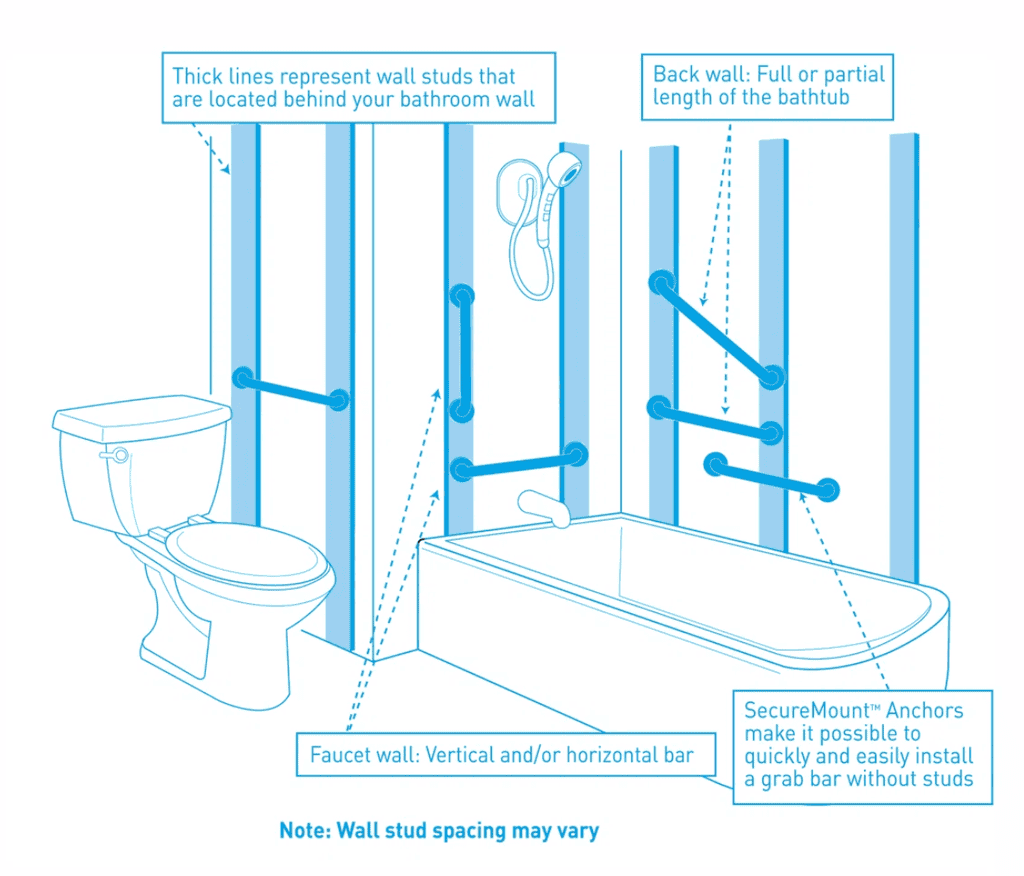
A grab bar has to be anchored properly. Don’t just screw one into drywall because you found it at the hardware store.
Remodeling? Add blocking inside the walls now, even if you won’t need a grab bar for years. That gives you options later.
Installing one now? Put it where the person actually moves through the space. Inside and outside of the shower and near the toilet are the most common, but not the only spots to add them.
You’re Allowed to Rip Out the Tub
Okay. This is where I give you permission to ignore one of the most repeated bathroom rules:
You do not have to keep a bathtub just because someone said every house needs one.
Do you have kids in the tub every night? Keep it.
Take a bath three times a week and consider it a sacred ritual? By all mean, keep it.
Has your tub become the world’s most expensive laundry basket because nobody’s taken a bath since 2017?
We really do need to talk.
I currently have a tub the size of a small swimming pool and that’s exactly what we use it for. The grandkids swim in it.
It’s a workout just getting in and out of this tub and I’m not sure we have enough hot water in our whole neighborhood to fill it, so we don’t. The grandkids can float around in a few inches of water and be very happy. I, on the other hand, have never used this tub.
A traditional tub means stepping over the side every single time. That tends to get harder as mobility changes. A low-threshold or curbless shower is easier to get in and out of, and it can give you more usable space.
But don’t rip out your tub just because an article on the internet told you to. (Yes, including this one.)
Keep the tub, ditch the tub.
Design for your life.
Not somebody else’s idea of what your house should be.
Make the Shower Easy to Walk Into
If you’re remodeling think seriously about the shower entry.
A low-threshold or curbless shower makes getting in and out so much easier.
But remember, A curbless shower is not just a shower without a curb.
The floor has to be designed to drain properly.
The shower needs enough space.
And the controls, showerhead and bench all need their placement planned on purpose.
If you’re Pplanning for a wheelchair there are specific dimensions to follow. Even if you’re not building to full accessibility standards, those guidelines are great reference points.
Condiser the shower door.
If someone fell inside the shower, could the door still open? Could someone reach them or would the door hit something?
Sometimes a sliding door makes more sense and sometimes a pivot door works beautifully.
And sometimes…
the best shower door is no shower door at all.
If your layout has room for a gorgeous open shower, I’m definitely not going to talk you out of it.
Go Ahead and Give Yourself a Seat
A shower seat is one of those things you don’t think you need until you have one.
Then you wonder why every shower doesn’t have one.
A built-in bench is great for:
- Shaving your legs
- Washing your feet
- Setting down your shampoo
- Helping someone else
- Taking a break
And even if you’re perfectly mobile, sitting down in the shower can feel pretty luxurious.
No room for a built-in? There are folding and freestanding options.
If you’re remodeling, be sure to plan the structure before you install one because what’s behind the wall matters. This is cheaper to plan during construction and a lot more expensive and difficult to add later.
Get the Handheld Showerhead
I recommend handheld showerheads in almost every bathroom, even when aging in place isn’t part of the conversation.
They’re just so useful.
A handheld makes it easier to:
- Shower sitting down
- Point the water where you want it
- Wash your hair
- Help someone else shower
- Wash your dog
- Clean the shower
Remodeling? Put the controls and the handheld where you can reach them standing and sitting.
Not remodeling? This is one of the easiest bathroom upgrades you can make. Check with a plumber or handyman about converting to a handheld system because it’s easier than you might think.
Small change. Big difference.
Your Faucet Shouldn’t Require a Wrestling Match
Bathroom fixtures should be easy to use. Period.
Lever faucets are easier than knobs because you don’t have to twist or grip. And this isn’t just an aging-in-place thing. Have you ever tried turning a tiny knob with wet, soapy hands?
Exactly.
Think about:
- Lever faucets
- Easy-to-read shower controls
- Pull-out faucets
- Touchless options
- Towel hooks you can actually reach
- Storage that doesn’t require standing on a chair
Good design is often invisible.
You don’t notice the faucet is easier to use.
You just notice that everything works.
That’s the goal.
Stop Filling Every Square Inch
If you only remember one thing during a bathroom renovation, make it this:
Don’t use every square inch just because you can.
Space is flexibility.
It’s actually a good rule of thumb for any room. Think about how people move through the room and then give them the space to do it.
Can you get around the vanity comfortably?
Can you get into the shower without turning sideways?
Can you sit down and stand up without bumping into something?
Could someone help you if you needed it?
Could you get around with a walker? A wheelchair someday?
You don’t have to build a fully accessible bathroom today.
But if you’re opening walls and moving plumbing anyway, think about the future while you have the chance.
Moving a wall during construction is annoying.
Moving it five years later? That’s a whole different level of annoying.
Toilets Aren’t Glamorous. Let’s Talk About Them Anyway.
Toilets aren’t the glamorous side of bathroom design. But they matter.
A taller “comfort height” toilet can make sitting down and standing up easier for some people.
But don’t order one just because an article said it’s better.
Height is personal.
Replacing your toilet? Sit on a few if you can. What works beautifully for one person might not work for another.
Which brings me to one of my favorite design rules:
The measurement matters. The person matters more.
There’s no one bathroom that works perfectly for everyone.
There’s only the bathroom that works for you.
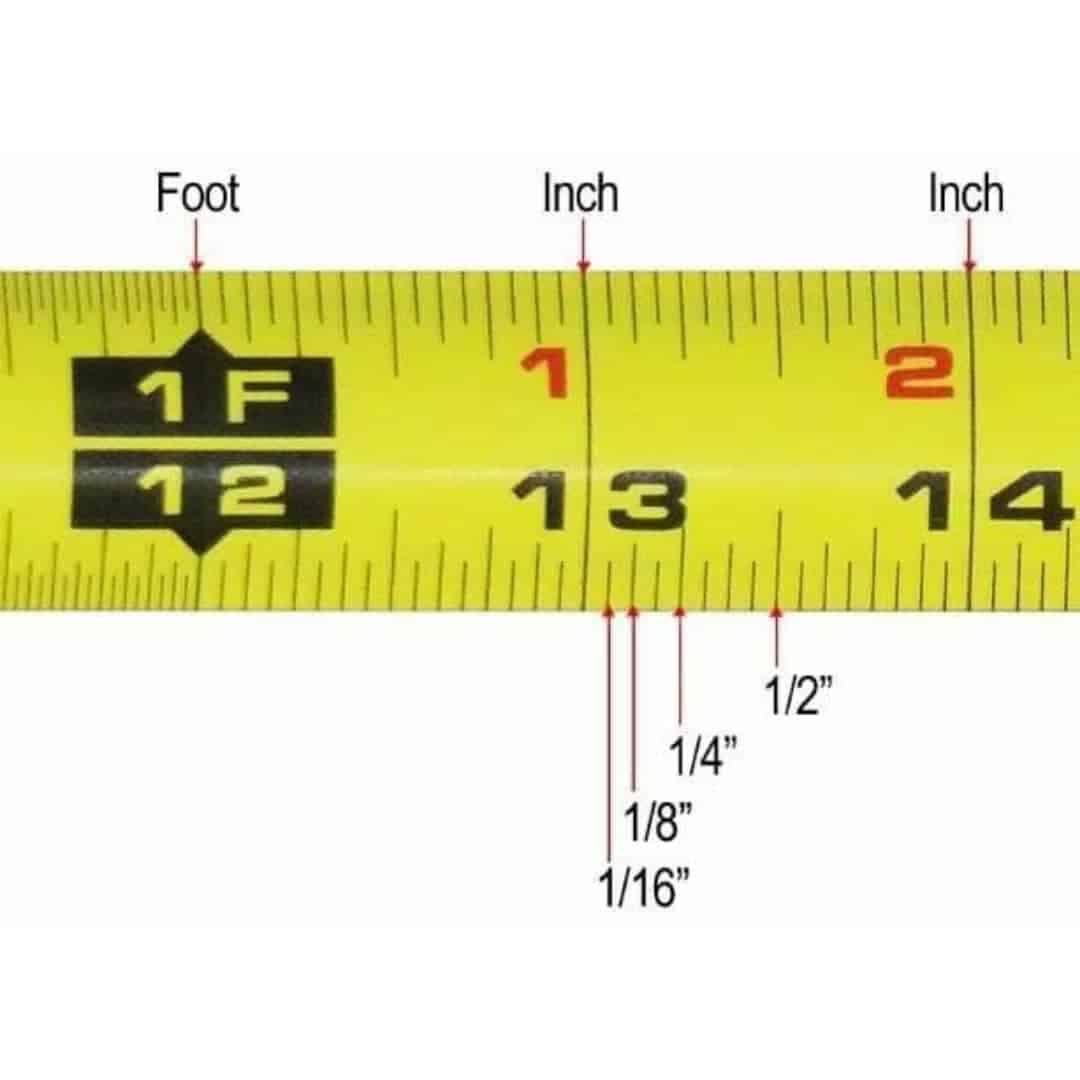
Measurements Matter More Than You Think
Planning a renovation? This is where measurements get really important.
We’re talking about:
- Door clearances
- Shower dimensions
- Toilet placement
- Vanity height
- Shower control height
- Shower seat height
- Clear floor space
Not exciting, I know.
Nobody scrolls through bathroom photos thinking, “Oh my gosh, look at that gorgeous 36-inch clearance!”
But these are the decisions that make a room feel comfortable.
Before you order a single tile, read my guide to the bathroom measurements you actually need to know.
Because pretty tile won’t save a bad floor plan.
Aging in Place Doesn’t Have to Look Like Aging in Place
This is the part I wish more people knew.
You can design for safety without giving up style.
A curbless shower can be gorgeous.
A shower bench can look architectural.
Grab bars can look like jewelry for your bathroom.
Lever faucets can be elegant.
Good lighting can change the whole room.
And yes, a curbless shower can absolutely be pink.
Nobody walks into a beautiful bathroom and says, “Wow. I bet they have excellent mobility planning.”
They just think it feels good.
That’s the goal.
The safety features should just be part of the design.
You Don’t Have to Do It All at Once
Please don’t read this list and think:
“Well, apparently I need to spend $40,000 on my bathroom immediately.”
No.
You don’t.
Start with what’s bothering you the most.
Too dark? Tackle the lighting.
Worried about slipping? Start with the floor.
Hard to get into the shower? Start there.
Want future projects to be easier? Add blocking while the walls are open.
Remodeling anyway? That’s when I’d think bigger about clearances, the shower, the doorway and room to grow.
You don’t have to predict what your life looks like ten years from now.
You just have to give your house a little room to change with you.
The Bottom Line
Aging in place isn’t really about getting older.
It’s about designing a home that keeps working when life changes.
Because it does. Our bodies change. Our families change. What we need changes.
And sometimes we just decide the way we’ve always done things just isn’t working anymore.
Your bathroom (and all the other rooms in your house) gets to change with you.
That might mean a better light, a handheld showerhead, grab bars or a whole new floor plan.
Or maybe it means finally ripping out the tub you never use and giving yourself the giant shower you’ve wanted for five years.
You get to decide.
Your home doesn’t need to be perfect. It needs to work for the people who live there.
And when good design can do that without making your house look like a hospital?
That’s a win.
So what’s bothering you most about your bathroom? Tell me in the comments. Let’s make a plan.
And if the plan includes a pink tile shower? I’m not going to talk you out of it. ✨